In short
- Rot needs moisture, oxygen and warmth. All three meet at ground level.
- Posts in the ground must be H4 treated. H3 timber fails early.
- Concrete that cups water around the post speeds rot up.
- A rotten post can be replaced without rebuilding the whole fence.
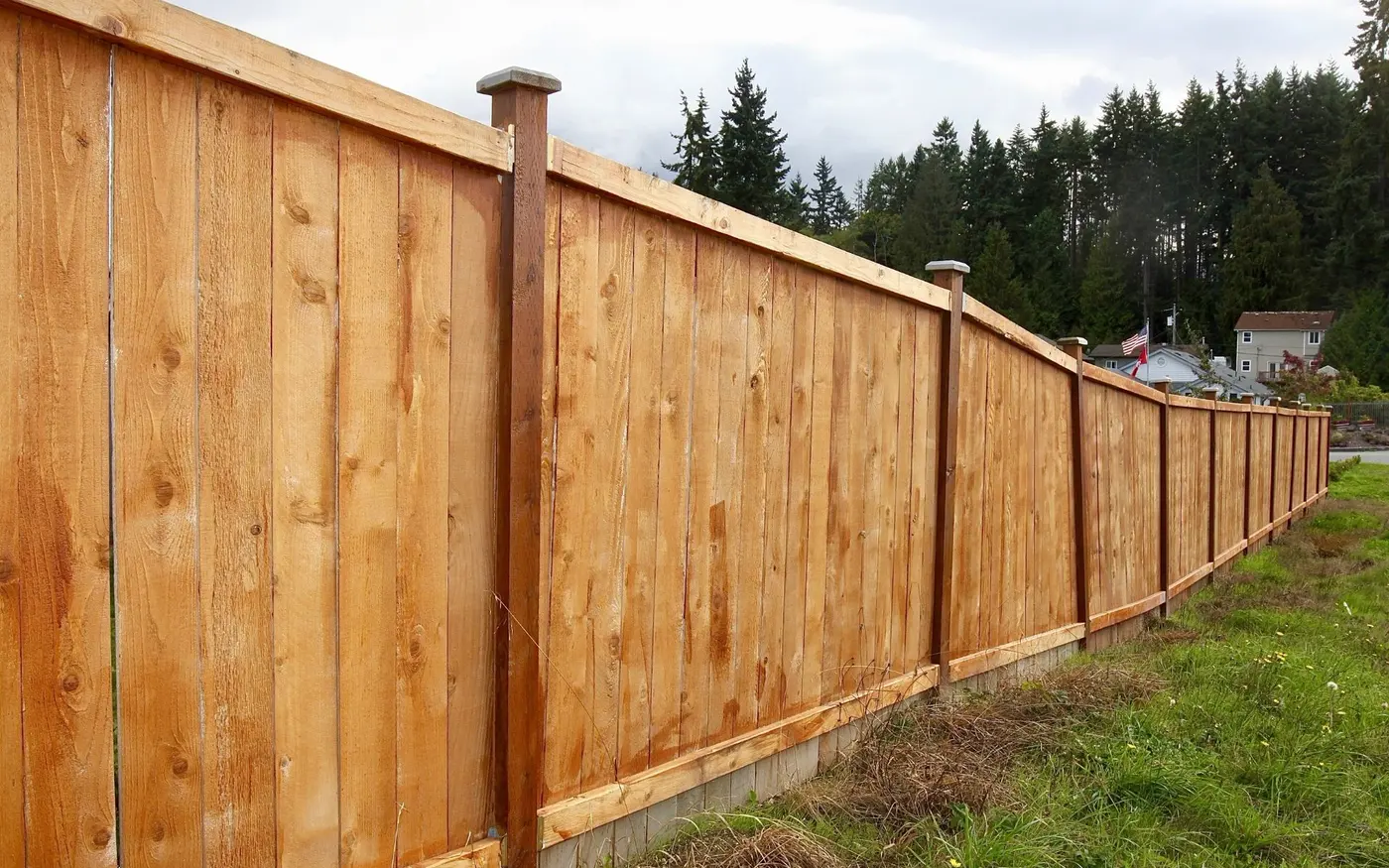
Fence posts rot at ground level because that narrow band is the one place where the fungi that eat wood get everything they need at once: constant moisture from the soil, oxygen from the air, and mild temperatures. Higher up, the post dries out between showers. Deeper down, there is too little oxygen. At the surface the timber stays damp and aired, and that is where it fails.
What rot is
Rot is decay caused by fungi. Their spores are everywhere. They start growing when wood stays above roughly 20 percent moisture content for long periods, with air and warmth. The fungi digest the fibres that give timber its strength. From the outside a post can look sound while the core at ground level has turned soft and crumbly.
Why the ground line is the weak point
- Soil holds water against the post. After rain the top layer of soil stays wet for days.
- Oxygen is plentiful. The first 150 mm or so of soil is full of air. A metre down it is not.
- Wetting and drying. The surface zone swells and shrinks with every weather change, which opens small cracks that let water into the core.
- Mulch, lawn and soil build-up. Garden beds raised against a fence bury more of the post and keep it wetter.
- Mowers and trimmers. Line trimmers chew the outer, best-treated layer of the post right at the base.
Treatment level matters most
In New Zealand, pine is treated to hazard classes. For fences the two that matter are:
| Hazard class | Made for | Use in a fence |
|---|---|---|
| H3.2 | Outdoors, above ground | Rails, palings, capping |
| H4 | In contact with the ground | Posts |
| H5 | In the ground, critical structural use | Piles and posts carrying a building, deck or retaining wall |
A post that is only H3.2 will rot at the ground line in a few years, however well it is installed. It is one of the most common faults in cheap fences. Check the stamp or tag on the post. Where a post has been cut, the cut end should go at the top, not in the ground, or be sealed with a brush-on preservative.
How concrete can make it worse
Concrete does not rot posts, but two habits do damage:
- The cup. If the concrete finishes below ground level or dishes around the post, it holds a ring of water against the timber. The top of the concrete should sit just above the soil and slope away from the post.
- The sealed boot. A post fully encased in concrete, including underneath, sits in a bucket that never drains. Leaving the bottom of the hole open to the soil, or on a layer of gravel, lets water out.
Timber also shrinks slightly as it dries, which opens a hairline gap between post and concrete. Water runs down it. A sloped concrete top and keeping soil clear both help.
Why it is worse in damp regions
In Hamilton and the Waikato the ground stays moist for most of the year. Winter fog and dew keep the surface wet even without rain, and heavy soils drain slowly. On the peat land south and east of the city the water table is close to the surface. Posts here face rot conditions nearly all year, so treatment level and installation count for more than in a dry climate.
How to prevent it
- Use H4 posts, and check the tag.
- Dig deep enough. At least 600 mm for a 1.8 metre fence, deeper on soft ground.
- Drain the hole. Put 50 to 100 mm of gravel in the bottom before the post goes in.
- Dome the concrete so it finishes above ground and sheds water.
- Keep soil, mulch and lawn clippings away from the base, and keep palings 50 mm or more clear of the ground.
- Cap or slope the post tops so rain does not soak into the end grain.
- Do not let sprinklers wet the same posts every day.
Checking your posts
Push the top of each post firmly. A sound post barely moves. One that rocks at ground level, or a fence that leans after wind, points to rot below. Scrape the soil away from the base and press a screwdriver into the timber. If it sinks in easily or the wood flakes away, the post is on its way out.
Repairing a rotten post
- Replace the post. Prop the fence, detach the rails, dig out the old post and concrete, and set a new H4 post. This is the lasting fix.
- Add a post beside it. A new post is set next to the old one and the rails are fixed to it. Quicker, and it avoids breaking out old concrete.
- Use a repair spur. A steel or concrete spur is driven or concreted in beside the post and bolted to the sound timber above ground.
If several posts have gone, the rest will follow soon, and it usually makes sense to replace the fence. See what a new fence costs.
Posts that do not rot
Galvanised steel posts, concrete posts and aluminium posts avoid the problem altogether. Steel posts with timber rails and palings give the look of a timber fence with a longer life at the ground. They cost more up front. The aluminium fencing guide and the fences and gates page cover the options.
Common questions
How long should a timber fence post last?
A correctly installed H4 treated pine post should last 15 to 25 years or more in the ground. An H3.2 post used by mistake can fail in under five.
Should fence posts be set in concrete?
For most house fences, yes, because it holds the post firm. Finish the concrete above ground level and slope it away from the post, and let the bottom of the hole drain.
Can I treat an existing post to stop rot?
Brush-on preservatives help on cut ends and at the surface, but they cannot reach decay already inside the post. Keeping soil and mulch away from the base does more good.
Why is my fence leaning?
Usually because one or more posts have rotted through at ground level, or were never set deep enough. Push each post to find the loose ones and check the timber at the base with a screwdriver.